

In brief, PLC instruments are suitable for large-scale industrial automation but require technical expertise and higher costs, while three-phase instruments are more appropriate for tasks with tight budgets or direct monitoring.

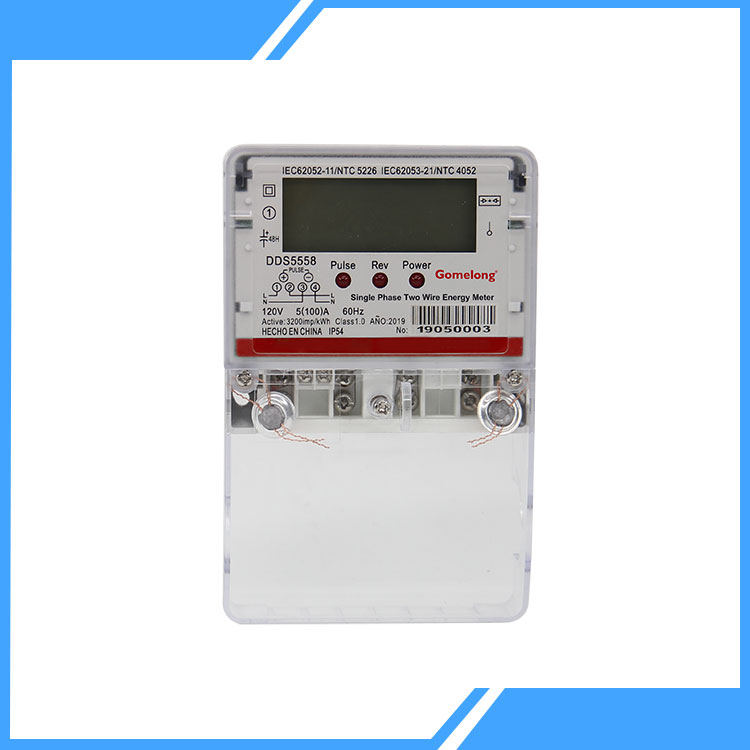
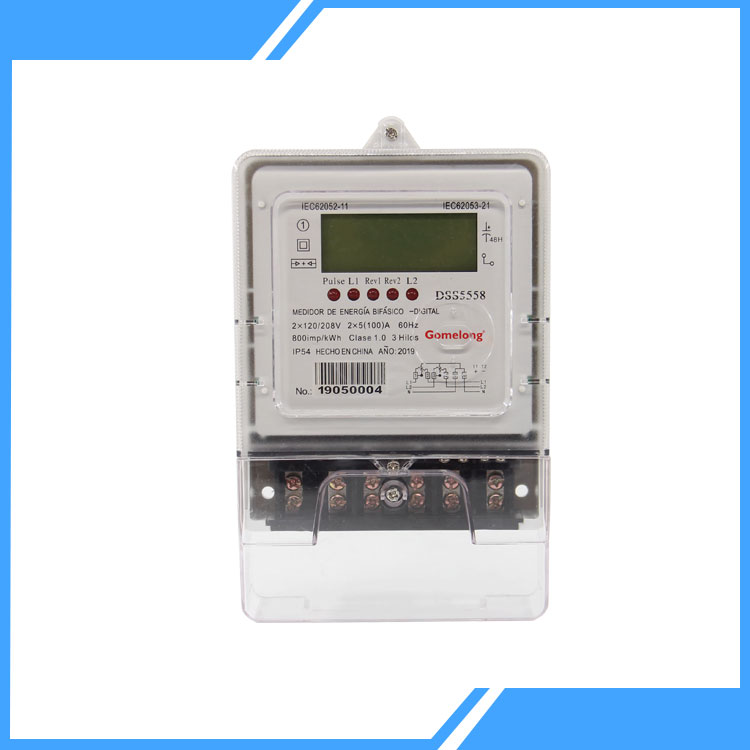
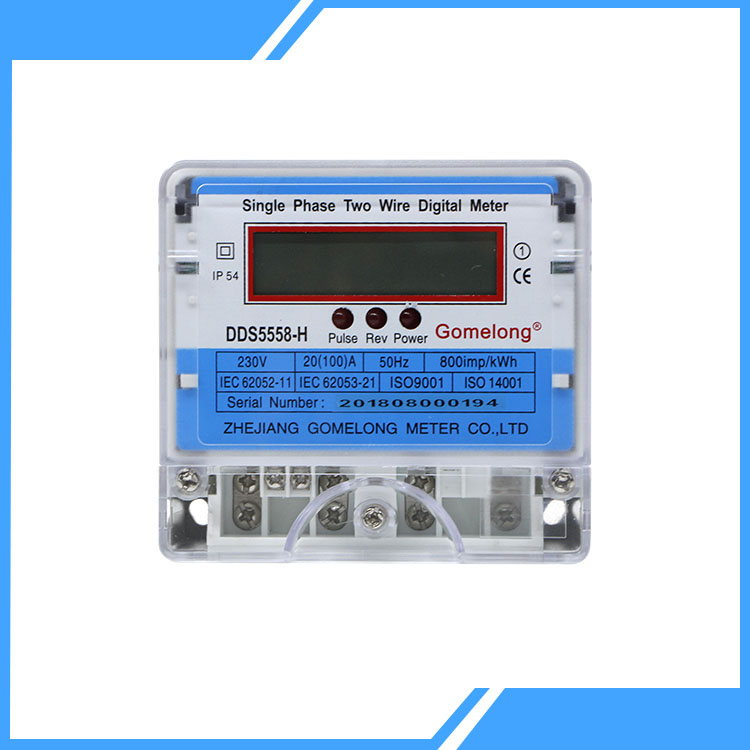
As electricity consumption continues to increase across residential, commercial, and light industrial sectors, accurate energy measurement has become more important than ever. A Single Phase Two Wire Energy Meter is one of the most widely used devices for monitoring electricity consumption in single-phase electrical systems. Developed with precision metering technology, Gomelong provides reliable Single Phase Two Wire Energy Meter solutions that help utilities, property managers, and end users achieve accurate billing, efficient energy management, and long-term operational reliability.

In today’s fast-paced energy environment, managing electricity consumption efficiently is crucial. The Single Phase Three Phase Prepaid Kwh Meter from Gomelong provides an advanced solution to monitor, control, and pay for electricity usage effectively. This article dives deep into the features, benefits, installation process, and frequently asked questions to help you understand why this meter is becoming a popular choice for both residential and commercial applications.

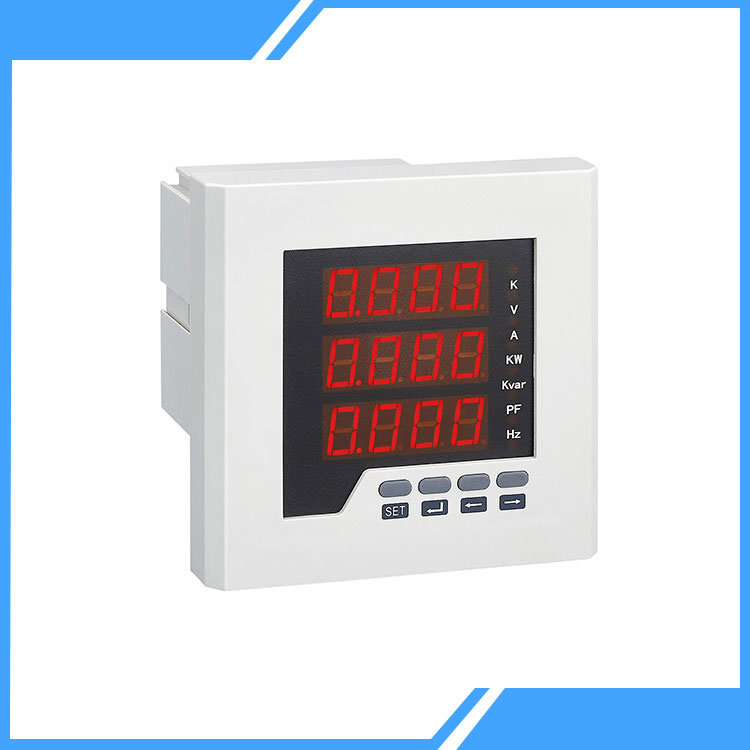
The question posed in the title — What if your single phase digital panel voltmeter misses a momentary overvoltage? — is not merely hypothetical. In thousands of facilities around the world, it is happening every day. Voltage spikes come and go in milliseconds. Displays update in fractions of a second. The gap between these two timelines determines whether a problem is documented or invisible.

A Din Rail Meter is often chosen when electrical cabinets, sub-distribution boards, rental units, solar systems, small factories, and commercial buildings need compact energy measurement without wasting panel space.

A Prepaid Water Meter is no longer just a billing tool. For many property managers, utilities, developers, and end users, it has become a practical answer to delayed payments, difficult meter reading, wasteful consumption, tenant disputes, and operational inefficiency.